
Claude found a previously undescribed enzyme system in DNA data
Claude identified the ART system with CRISPR-like repeats while examining DNA. Researchers studied it in the laboratory, but its function remains unknown.
On September 23, Anthropic presented results from a study in which Claude agents identified an unusual biological system while examining DNA sequences. Researchers then studied it in the laboratory and named it ART. Some of its features resemble CRISPR, but its function remains unknown.[1]
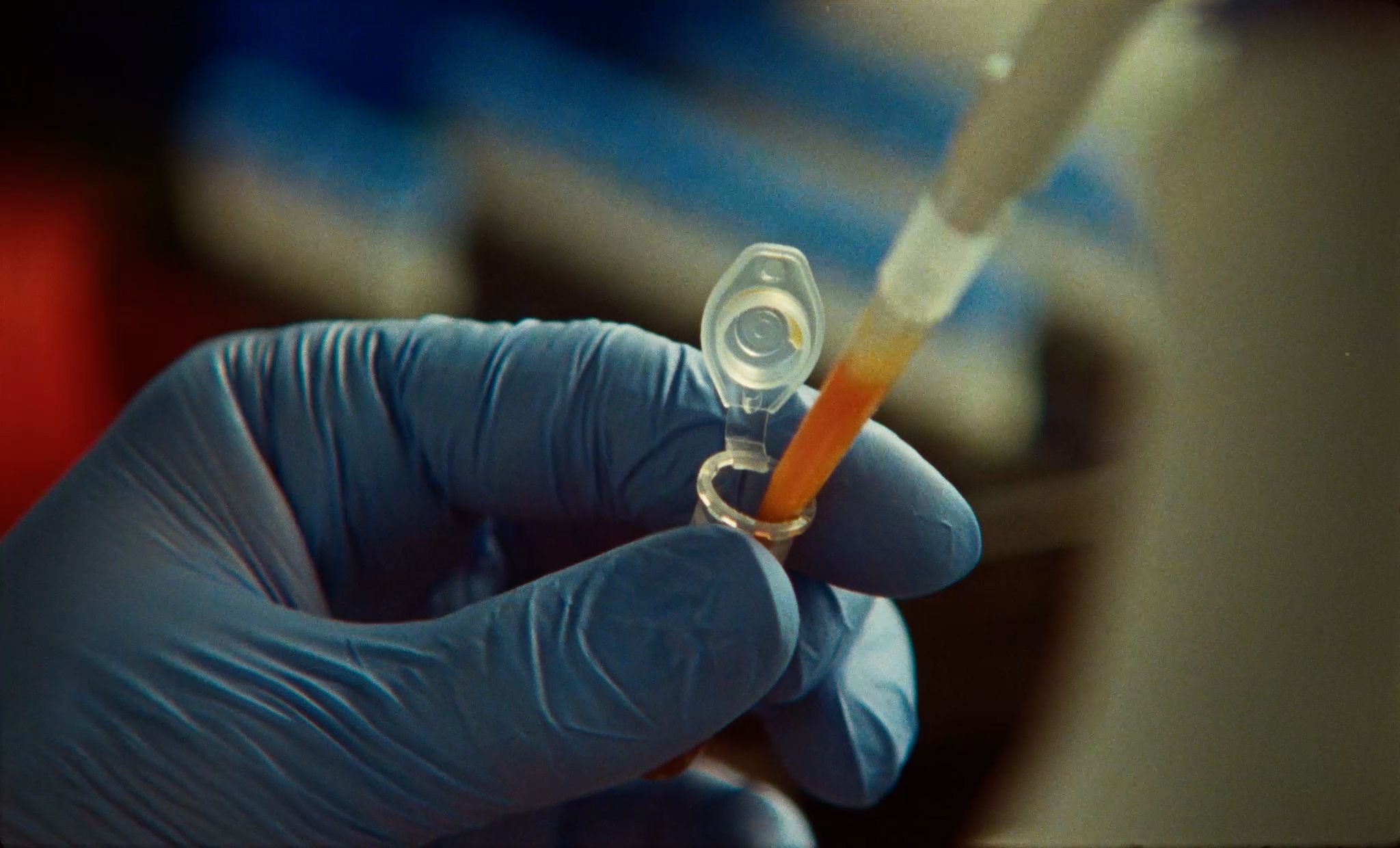
Source: Anthropic.
The announcement accompanies the introduction of a new biology research group and laboratory at Anthropic. The group is investigating how to use AI to find poorly understood proteins, generate hypotheses and select candidates for laboratory experiments.[1]
What did Claude find?
Researchers asked Claude to search a large collection of DNA sequences for interesting examples of reverse transcriptases. These are enzymes that copy RNA into DNA.[1]
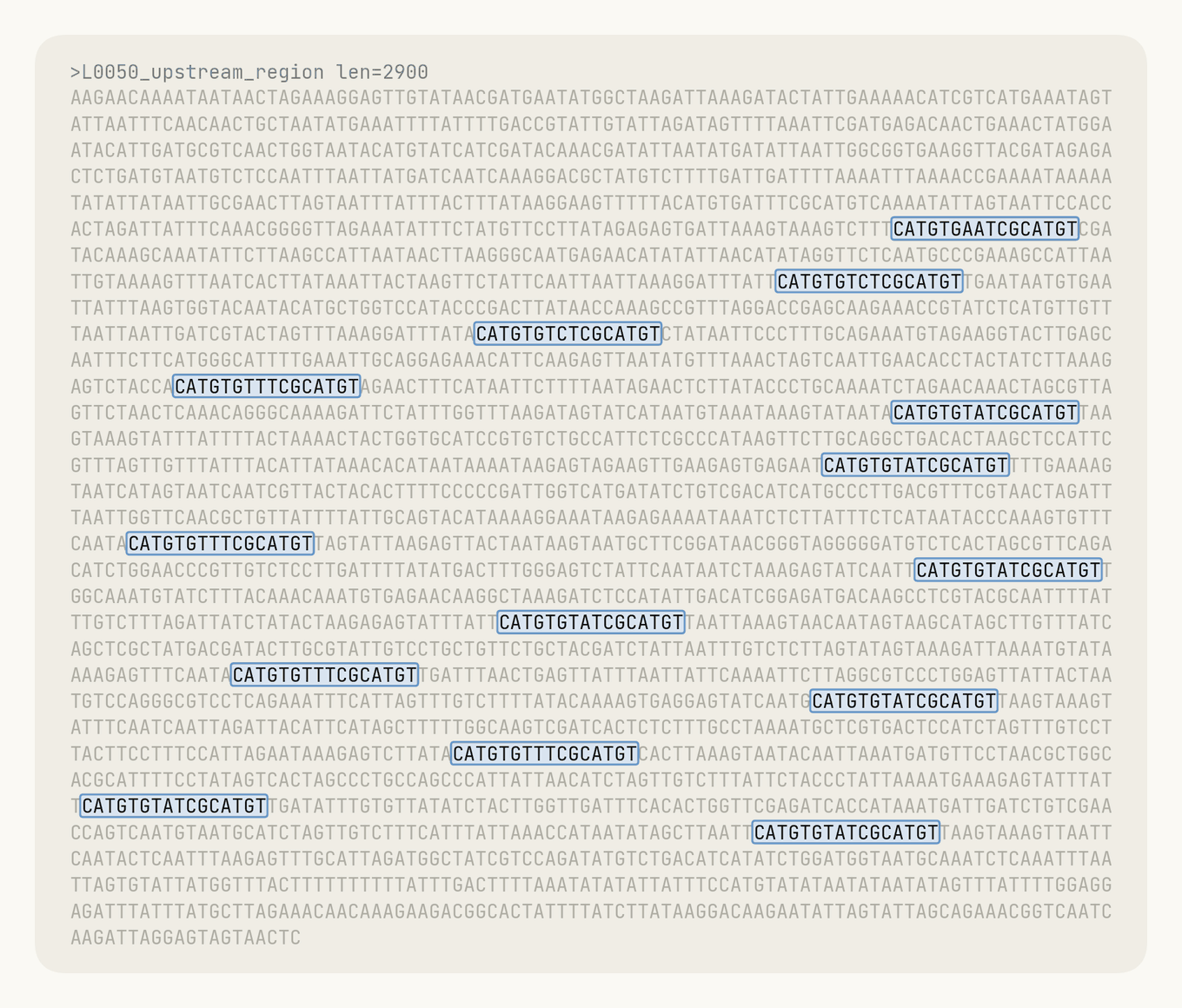
In one family of these enzymes, an agent noticed an unusual region next to the gene: a long array of evenly spaced DNA repeats. It counted the repeats, checked the distances between them and compared them with known systems. It also searched the scientific literature for any previous descriptions of the pattern. It then prepared a report for the researchers.[1]
The enzyme itself was known from earlier studies. According to Anthropic, however, Claude was the first to connect its features with neighbouring DNA repeats and an additional protein of unknown function. Together, they form the system named ART, found mainly in bacteriophages, viruses that infect bacteria.[1]
Source: Anthropic.
Why the comparison with CRISPR?
CRISPR is known as the basis of gene-editing tools. Its structure includes repeated DNA sequences, which were also initially noticed as an unusual pattern. The arrangement of repeats in ART is similar.[1]
Early laboratory experiments showed that the repeating region of ART produces distinct short RNA molecules. Researchers are interested in whether these could help direct the system’s activity, as in some other biological tools.[1]
This does not yet establish ART as a new gene-editing tool. The team is still investigating how it works and what its natural role is. Any potential use in biotechnology will depend on further experiments.[1]
21 hours of searching, around 950 agents
According to Anthropic, the computational search took 21 hours and involved roughly 950 agents, meaning multiple separate instances of Claude. They gathered more than 200,000 reverse transcriptases, selected 3,500 new candidate systems and narrowed the list to the 20 most promising candidates, for which they prepared reports.[1]
This used around 210 million tokens, the units of text processed by the model. It was a substantial computational research effort. The stated 21 hours refers to searching the data, not the entire study including laboratory experiments.[1]
Humans set the initial research task, reviewed the results and carried out the laboratory work. Anthropic says scientists perform all experiments in its laboratory.[1]
What has been established, and what remains open?
Anthropic has released a research preprint and initial experimental findings. After reviewing the preprint, Feng Zhang, one of the pioneers of CRISPR genome editing, described the association between reverse transcriptases and RNA-repeat arrays as intriguing and worth further investigation.[1]
For now, the account of the work comes from the team that also develops Claude. Further experiments will need to clarify ART’s function. The announcement alone also does not allow an estimate of how much time and money the same research would have required without AI.